
By Chris Smeal, PGA Professional | Founder of Future Champions Golf
As I look ahead to 2027, which will mark my 25th year of coaching golf, I’ve been reflecting on the experiences, people, and opportunities that have shaped my journey.
When I think about how I coach today, I realize that my philosophy has been influenced by so many different experiences. Some came from my own playing career. Others came from incredible teachers, mentors, and players I was fortunate to spend time with. And many of the most important lessons have come from the thousands of hours I’ve spent on the lesson tee, on the golf course, and traveling with competitive players.
I’ve been fortunate to work with golfers at every level of the game, from complete beginners to junior champions, college players, elite amateurs, professional golfers, and an LPGA Hall of Famer.
But the journey to becoming the coach I am today started long before I ever gave my first golf lesson.
I wanted to share some of that journey, recognize some of the incredible people who helped me along the way, and explain how these experiences continue to influence the way I coach.
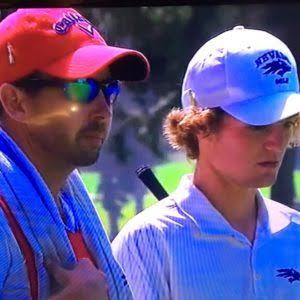
Where It All Started: Family, Baseball, and Falling in Love With Golf
I was introduced to golf around the age of 10 by my dad and grandfathers.
At the time, baseball was my main sport. I loved competing and being involved in athletics, but golf eventually became something I couldn’t get enough of.
At 15, I began taking the game seriously.
By 17, I had become a scratch golfer, and by 18, I had earned a college golf scholarship to San Diego State University.
During those years, I was completely dedicated to improving. In fact, I didn’t miss a single day of golf practice for four consecutive years.
I loved being at the golf course. I loved working on my game, experimenting with different shots, playing against better players, and seeing how good I could become.
Looking back, those years established a belief that remains central to my coaching philosophy:
The players who become great are often the ones who truly love the process of getting better.
There is no substitute for consistent effort, curiosity, and a genuine passion for the game.

John Darling: The Impact of Having a Great Coach
From approximately ages 16 to 19, I had the opportunity to work with award-winning golf instructor John Darling.
Having an outstanding teacher during such an important stage of my development was a tremendous advantage.
John helped me develop my understanding of the golf swing, practice, and the process of becoming a competitive player.
But perhaps just as importantly, he showed me the value of having someone who believes in your potential and is committed to helping you improve.
As a coach today, I understand how meaningful that relationship can be.
A great instructor doesn’t just provide information. A great instructor helps a player develop confidence, direction, and a belief in what is possible.
Learning From Exceptional Players: Keith Sbarbaro and Becky Lucidi
One of the greatest advantages I had as a developing golfer was being surrounded by outstanding players.
I was fortunate to practice with Keith Sbarbaro, who played at Arizona State University and was ranked just behind Phil Mickelson during their college years.
Spending time around a player of that caliber was an incredible learning experience.
You see the standards required to play at an elite level. You see how great players practice, how they approach different shots, and how they carry themselves.
I also had the opportunity to spend time around Becky Lucidi, a U.S. Women’s Amateur Champion.
Being exposed to championship-level players helped me understand that there are many different ways to play great golf.
These experiences were invaluable because they gave me a firsthand look at what excellence looks like.
One of the most important lessons I’ve learned is that your environment matters.
Surround yourself with people who challenge you, inspire you, and demonstrate the habits necessary to succeed.
This is something I encourage all my students to do.
My College Golf Experience: Turning Disappointment Into an Advantage
Earning a scholarship to San Diego State was a major achievement for me.
Unfortunately, my college golf experience didn’t go the way I had envisioned.
I made mistakes, didn’t handle everything as well as I should have, and ultimately didn’t accomplish what I had hoped to accomplish as a college player.
For years, that was a disappointing part of my story.
Today, I consider it one of the most valuable experiences I can share with young golfers.
I understand firsthand that being a successful junior golfer and being prepared for college golf are two different things.
College golf requires independence, maturity, discipline, accountability, and the ability to manage challenges both on and off the course.
When I work with young players who have aspirations of playing college golf, I can share what I learned from my own mistakes.
I want them to be better prepared than I was.
Sometimes our biggest disappointments become our most valuable teaching experiences.
That has certainly been true for me.
Learning From Some of the Best Minds in Golf
As my interest in teaching grew, I made it a priority to learn from great instructors and seek out different perspectives on the game.
I never wanted to limit my knowledge to one teaching philosophy or one way of looking at the golf swing.
Carl Welty at PGA West
One of the influential instructors I had the opportunity to learn from was Carl Welty at PGA West.
Being around experienced teachers and seeing how they approached instruction helped expand my understanding of the game.
Every great teacher has a way of communicating information, identifying problems, and helping players improve.
Those experiences helped me begin developing my own approach.
Learning From Jim Flick
I also had the opportunity to attend seminars with legendary golf instructor Jim Flick.
Jim was one of the most respected teachers in golf, and being exposed to his knowledge and teaching philosophy was extremely valuable.
I learned that great instruction is not simply about knowing the golf swing.
It’s about understanding how to communicate, how players learn, and how to make complicated ideas easier to understand.
That remains one of my goals every time I teach.
The Butch Harmon Academy
Another important experience was attending a full-day golf school at the Butch Harmon Academy.
Being exposed to the teaching environment and instructional approach associated with one of golf’s most accomplished coaches was another opportunity to expand my knowledge.
What I’ve always appreciated about learning from different teachers is that you begin to recognize that there isn’t just one way to help someone improve.
The challenge is finding the right information and the right approach for the individual player.
Derek Uyeda: Lessons, Friendship, and Learning at the Highest Level
Another important person in my coaching journey has been Derek Uyeda.
Through lessons, friendship, and time spent together around the game, Derek has been a valuable influence on my development as a coach.
I also had the opportunity to film at PGA Tour events, providing a close-up look at some of the best players in the world.
Being able to observe elite professional golfers in person is an incredible educational experience.
You notice details that aren’t always obvious when watching on television.
You see how players prepare, how they practice, how they move, and how they approach their games.
Those experiences reinforced something I continue to believe:
If you want to become a better coach, you have to remain a student of the game.
There is always something new to observe, study, and learn.

2002: The Beginning of My Coaching Career at Stadium Golf Center
In 2002, I began my coaching career at Stadium Golf Center in San Diego.
That was where my passion for teaching really began to grow.
I started working with beginners and junior golfers, developing programs and learning how to communicate with players of different ages and abilities.
One of the most rewarding early accomplishments was growing a beginner junior golf class into a program with more than 100 kids participating each week.
That experience taught me so much about coaching.
When you’re teaching beginners, you quickly learn that instruction needs to be clear, engaging, and fun.
You have to understand how to connect with people.
You have to recognize that every student learns differently.
And you have to create an environment where players want to return and continue improving.
Those early years at Stadium Golf Center helped establish the foundation for everything I would build afterward.
I still believe that some of the most important work a golf coach can do is introduce someone to the game in a way that makes them fall in love with it.
2004: Building Future Champions Golf
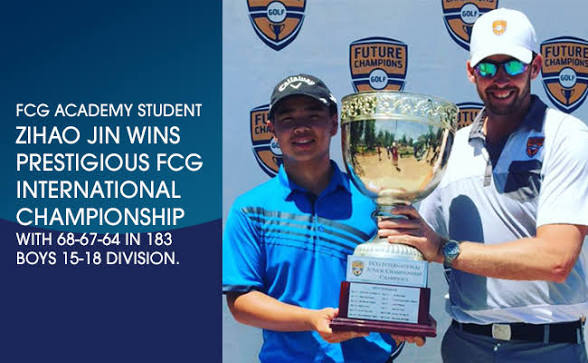
In 2004, I launched the Future Champions Golf Academy.
My vision was to create an environment where junior golfers could learn the game, develop their skills, compete, and pursue their dreams.
Over time, that vision expanded into the Future Champions Golf Tour.
What began in San Diego has grown into an international junior golf platform, creating competitive opportunities for players from around the world.
Through FCG, I’ve been fortunate to see thousands of young players develop.
Some became outstanding high school golfers. Some earned college scholarships. Others went on to win major amateur championships and pursue professional careers.
But I’ve also learned just as much from the players who struggled.
I’ve seen talented juniors lose confidence.
I’ve seen players become too focused on rankings and results.
I’ve seen young golfers develop later than their peers and eventually surpass players who were much more accomplished at younger ages.
These experiences have reinforced my belief that player development is a long-term process, and no two players follow the same path.
It’s one of the reasons I believe so strongly in creating opportunities for players at every stage of development.
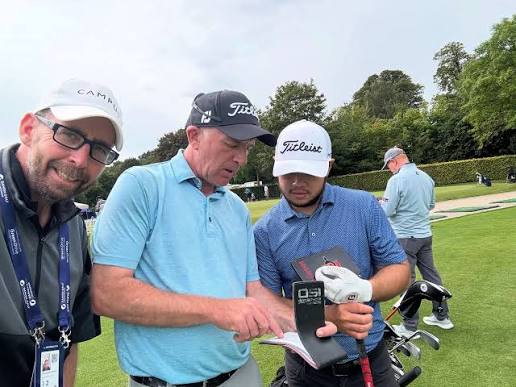
Coaching and Caddying at Major Championships
One of the most valuable parts of my coaching career has been the opportunity to travel with players and work with them in major competitions.
There is a tremendous difference between giving a golf lesson on the driving range and helping a player prepare for and compete in an important championship.
I’ve had the opportunity to coach and caddie at major amateur events, including the 2017 U.S. Amateur Championship at Riviera Country Club, where a player I worked with finished tied for eighth.
Experiences like that have been incredibly important to my development as a coach.
When you’re alongside a player in championship competition, you gain a deeper understanding of what really matters.
You see how players react to pressure.
You see how quickly momentum can change.
You learn the importance of course management, decision-making, emotional control, preparation, and trust.
You also learn that a player doesn’t need a perfect golf swing to shoot a great score.
At the highest levels of competition, the ability to manage your game and yourself can be just as important as your technical skills.
Golf instruction and competitive player development are not the same thing. Great coaching requires understanding both.

Helping Players Reach the Next Level
Over the years, I’ve had the privilege of helping more than 230 junior golfers earn college golf scholarship opportunities.
I’ve also coached players who have achieved some remarkable accomplishments, including:
- The 2020 California State Amateur Champion
- The 2022 California State Open Champion
- The 2023 California Girls State Champion
I’m proud of these accomplishments, but I’m even more proud of the work and development that went into them.
Every successful player has a different story.
Some needed major improvements in their technique.
Some needed better practice habits.
Others needed to become more confident competitors or learn how to manage themselves under pressure.
Working with so many different players has taught me that great coaching requires flexibility.
I don’t believe every player should swing the club the same way.
I don’t believe every player should practice the same way.
And I certainly don’t believe every player should follow the same development timeline.
My job is to understand each player’s strengths, identify what is holding them back, and help them develop the skills needed to reach their goals.
Coaching LPGA Hall of Famer Sandra Palmer
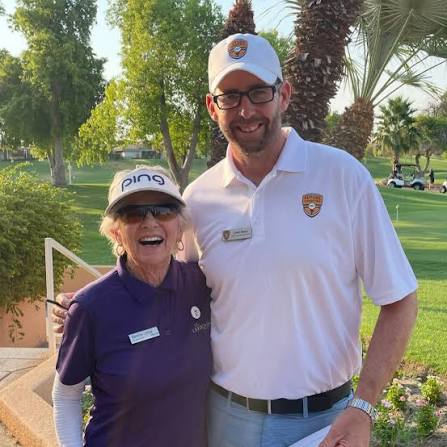
One of the greatest honors of my coaching career has been becoming the personal golf coach to LPGA Hall of Famer Sandra Palmer.
Sandra has accomplished extraordinary things in golf, including winning two major championships and 19 LPGA Tour titles.
Working with someone who has competed and won at the highest level of professional golf is an incredible experience.
What makes it especially meaningful is the opportunity to work with someone who has such a deep understanding of the game.
Sandra has experienced things in competitive golf that very few people ever will.
And yet, there is still a desire to learn, work on her game, and improve.
That is something I deeply respect.
Coaching Sandra has reinforced the importance of listening, communicating, and understanding what makes each player successful.
At that level, coaching isn’t about forcing someone into a particular model.
It’s about helping them maximize their strengths, maintain confidence, and perform at their best.
It’s also another reminder that the learning process never ends, whether you’re a beginner, a competitive junior, a professional, or a Hall of Famer.
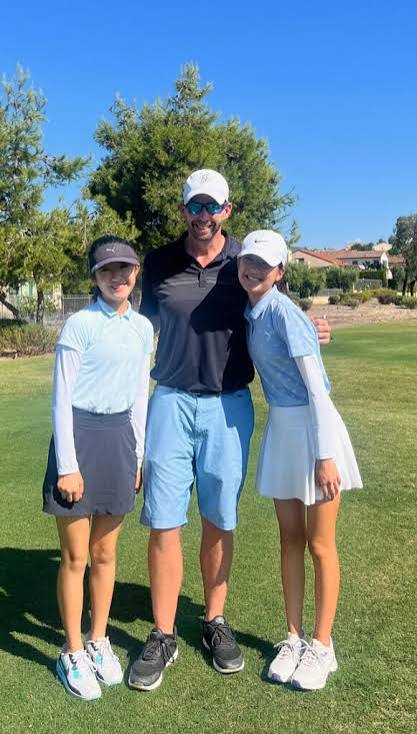
The Biggest Lessons I’ve Learned From Nearly 25 Years of Coaching
When I think about all the people who have influenced me and all the players I’ve worked with, several important beliefs stand out.
1. Great players love getting better.
The best players usually have an internal drive to improve. They enjoy practicing, learning, and challenging themselves.
2. Your environment matters.
Being around great players, coaches, and mentors can accelerate your development and change what you believe is possible.
3. There is no single blueprint for success.
Every golfer is different. Great coaching requires understanding the individual rather than forcing everyone into the same system.
4. Learning how to compete is essential.
A beautiful golf swing doesn’t guarantee low scores. Players must develop course management, mental toughness, decision-making, and scoring skills.
5. Failure can be one of our greatest teachers.
My own college golf experience taught me lessons that I continue sharing with players today.
6. Confidence and enjoyment are incredibly important.
Players improve more when they believe in themselves, enjoy the process, and feel supported.
7. Coaches should never stop learning.
Some of my greatest lessons have come from other instructors, fellow professionals, and the players I’ve coached.
My Coaching Philosophy Today
After all these years, my coaching philosophy continues to evolve, but the foundation is clear.
Develop the person. Develop the player. Build skills that last.
I want my students to understand their own golf games.
I want them to learn how to practice with purpose.
I want them to become better competitors, not just better ball strikers.
I want them to develop confidence, resilience, discipline, and the ability to think for themselves on the golf course.
And I want them to enjoy the journey.
I believe the role of a coach is much bigger than teaching someone how to swing a golf club.
A great coach can help shape a young person’s work ethic, confidence, attitude, and approach to challenges.
Those lessons can last a lifetime.
Looking Ahead to My 25th Year of Coaching
As I approach 25 years as a golf coach in 2027, I’m incredibly grateful for the journey.
I’m grateful to my dad and grandfathers for introducing me to golf.
I’m grateful to John Darling for helping guide my development as a young player.
I’m grateful for the opportunities to learn from outstanding players like Keith Sbarbaro and Becky Lucidi, and from respected instructors including Carl Welty, Jim Flick, and the teaching environment at the Butch Harmon Academy.
I’m grateful for the friendship and knowledge shared by Derek Uyeda, and for the many other coaches, players, and friends who have influenced my journey.
I’m grateful for the families who trusted me with their children, the players who committed to the process, and the countless relationships that have developed through golf.
And I’m grateful for the opportunity to continue learning from the game through experiences like coaching Sandra Palmer.
When I was 15 years old, I was obsessed with becoming a better golfer.
Today, that same passion is focused on becoming a better coach and helping others achieve their potential.
I’m still learning. I’m still studying. I’m still looking for better ways to help players improve.
And I’m just as excited about coaching today as I was when I first started at Stadium Golf Center in 2002.
The greatest reward of coaching isn’t simply helping someone win a championship. It’s helping someone discover what they’re capable of achieving.
That’s what continues to motivate me.
And that’s what I hope to keep doing for many years to come.
Chris Smeal, PGA Professional
Founder & President, Future Champions Golf
Chris Smeal Golf | San Diego, California